As a consequence of the Black Lives Matter protests, the discussion over representation and diversity in pop culture has become especially heated in recent months. Episodes of beloved television shows, sometimes shows in their entirety, are being removed from streaming platforms for perceived infractions of the current code of heightened racial sensitivity. Characters in cartoons are being recast because the skin colour of the voice actor does not match that of the person they were portraying.
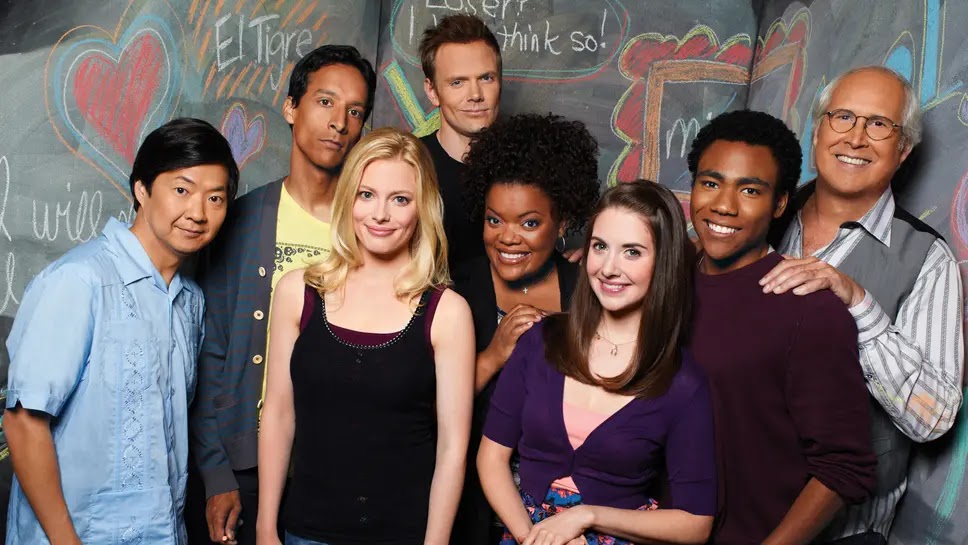
The invasiveness of these actions has been criticised, even from some who align themselves with Black Lives Matter, as another example of politically correct overreach. The result of this has been a poisoning of the well for any productive discussion of the issues involved. Instead of arguing over whether political correctness is a good or bad thing, perhaps a better question is whether it has ever been achieved in art in a widely accepted way, embodying the positive intentions from which the concept sprung rather than the authoritarian culture with which it has become interlinked. To that end, I present a show which is a prime example of how to turn a political correct ethos into great TV, albeit one which has regrettably had one of its most celebrated episodes scrubbed: Community.


